On this page:
A community led initiative
What is ‘Right to Ride’?
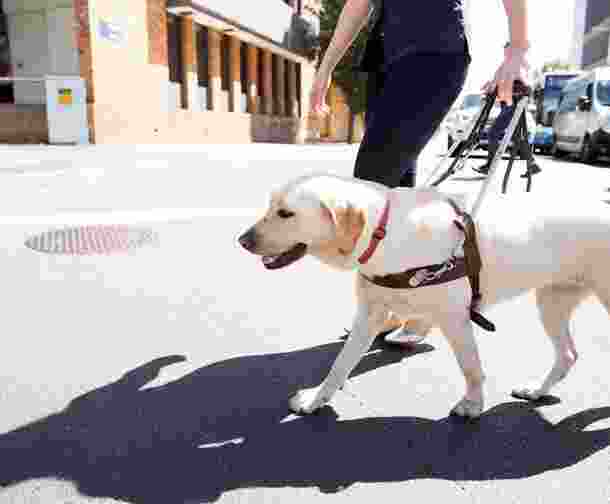
‘Right to Ride’ is a community-led initiative following the Taxi and Rideshare Refusals campaign, led by Guide Dogs NSW/ACT in collaboration with the Point to Point Transport Commissioner and Transport NSW. The campaign raised awareness and advocated for change to reduce Guide Dog refusals in taxis and rideshare services.
The law: according to the Disability Discrimination Act 1992, it is unlawful to refuse access to taxis and rideshares to individuals accompanied by Assistance Animals, including Guide Dogs. Yet enforcement remains a challenge, with many drivers unaware of or disregarding their legal obligations.
The impact of refusals.
Why this matters.
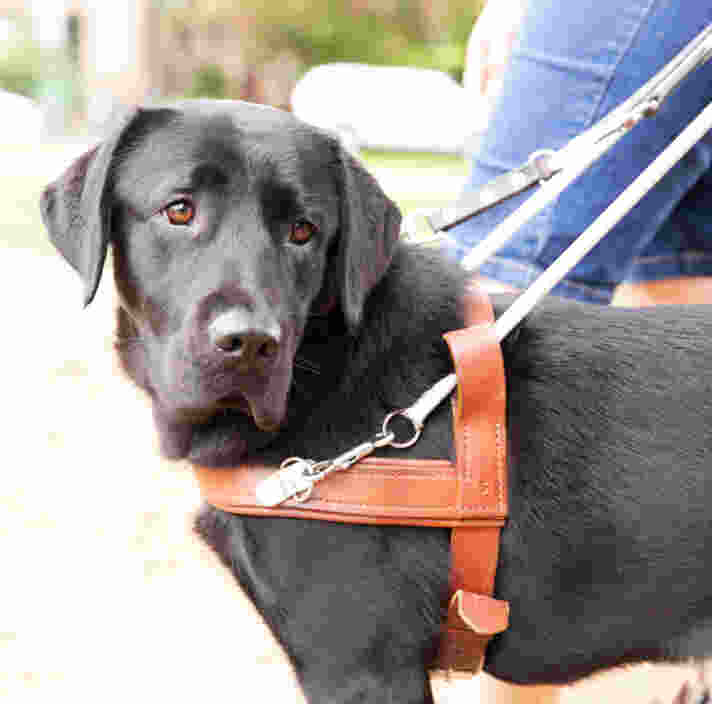
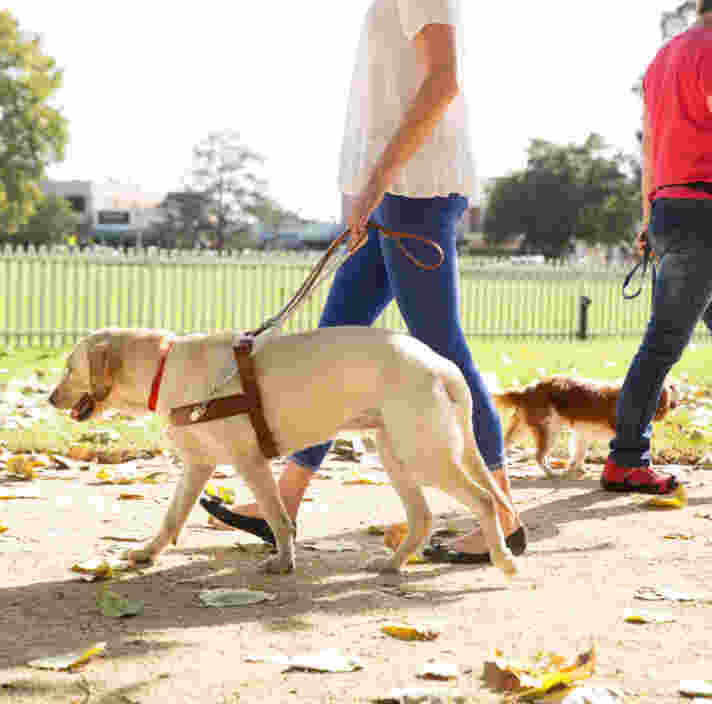
Guide Dog Handlers rely on public transport, taxis, and rideshare services to navigate daily life, whether that’s going to work, appointments, socialising, or running errands. Refusals don’t just limit transport options; they affect the independence, safety, mental health, and confidence of people with low vision or blindness.
Let’s reimagine transport as a space where everyone gets a seat without having to fight for it.
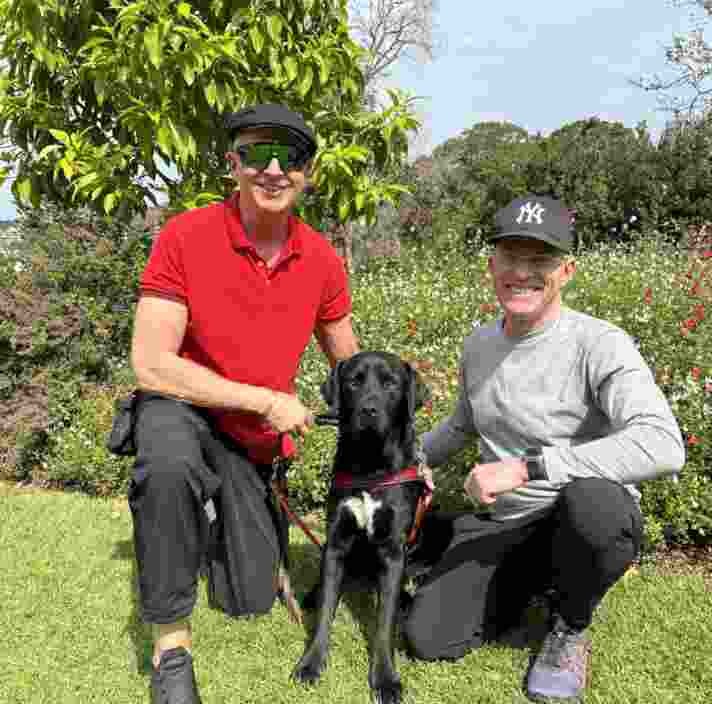
Client Stories: Scott and Dudley.
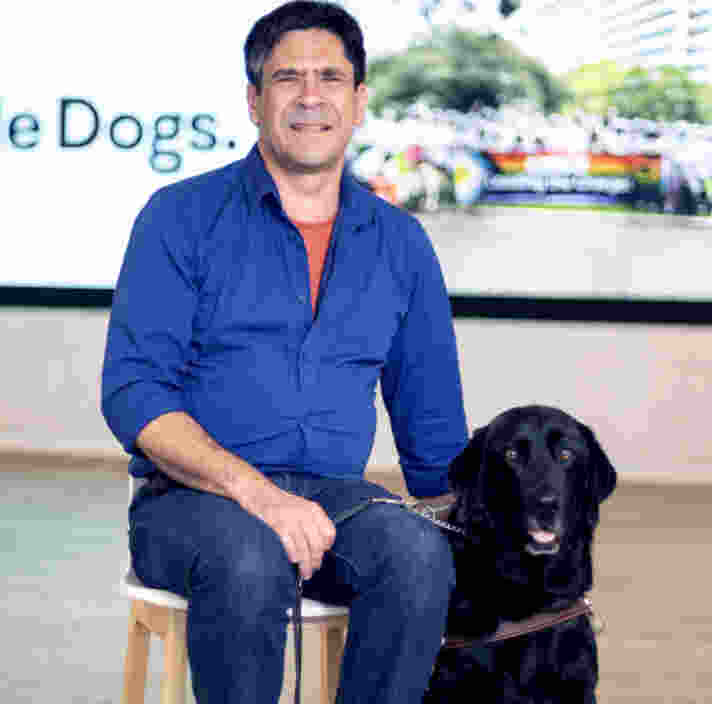
Scott and Dudley’s right to ride.
“I booked a rideshare to get to a speaking event. Within minutes, three drivers cancelled after I let them know about the legal consequences of refusing us.
Being refused made me feel angry, dismissed and alone. But speaking up helped change things.
If someone’s with me, I ask them to film the interaction and back me up, but let me speak for myself. Guide Dog Handlers have the right to travel without extra costs or conditions. Drivers need to follow the law and their company’s rules.
If you’re refused, take action. Every time we stand up, we make it better for the whole Guide Dog Handler community.”
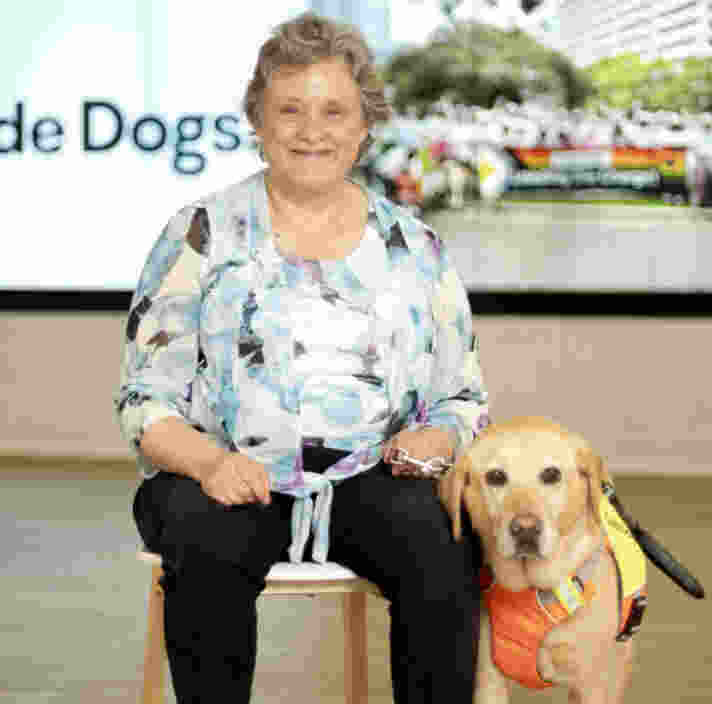
Client stories: Amanda and Sadie.
Amanda and Sadie left on the side of the road.
Amanda ordered a taxi like she normally would, accompanied by her Guide Dog, Sadie. The driver messaged to say they were nearby. As Amanda and Sadie walked out to the driveway, the car arrived then reversed and drove away without a word.
“I had Sadie’s harness in one hand and reached out to touch the car and it just drove off.”
This wasn’t the first time this happened to Amanda. She’s had taxis and rideshares pull up and leave after they see Sadie. These refusals have knocked her confidence and made travel feel uncertain and stressful. Amanda is often left wondering if she’ll get picked up or arrive to her destination on time.
Client Stories: Scott.
Scott Smith and staying calm, clear and firm.
“I remember one taxi clearly. As I opened the door, he said he was afraid of dogs and didn’t want me in his car. He told me to move on. I said, ‘Don’t worry, it’s my Guide Dog. He’s friendly.’
He replied, ‘No I’m sorry. I’m not going anywhere’.
So, I stayed calm and gave him three options. One, if you are afraid, press the emergency button in your car. That’ll call the police. Or two, drive us to the nearest police station and I’ll explain the situation.
Before I could say the third, he changed his mind:
‘Ok where do you want to go?’, he said.”
Tips from Scott:
- You don’t need to yell. Just stay calm and say, “here are your options.” It’s a learning moment for all of us.
- Stick with one taxi company: I use 13 Cabs and make sure my profile says I travel with a Guide Dog. You’re not required to, but it may help avoid issues on the day.
- Stay calm and cool: There are cameras in taxis. If something goes wrong, you can report it, and the footage can be checked.
- Know your rights: If you’re unsure about the fare, call the taxi company while you’re in the car and ask.
- Use technology to support yourself: Apps like FaceTime, Be My Eyes or InVision can help you check the meter or take a photo if needed.
“If a driver refuses me, they’ll do it to someone else too. Speaking up helps all of us,” says Scott.
Everything you need to take action is ready for you
Resources to drive change.
-
Self-advocacy toolkit for people with low vision or blindness.
-
Learn how to assist people who are blind or have low vision in public spaces.
-
Point to Point Transport Commissioner Assistance Animals Toolkit.
Take action today.
Share
- Post about ‘Right to Ride’ and share resources in driver forums, union newsletters, or on social media.
- Share it with your team or display it on community noticeboards.
Speak
- Talk about ‘Right to Ride’ at networking events or union meetings.
- Help connect us with training organisations or professional networks.
- Speak up if you witness discrimination. A calm, respectful word can make a big difference.
Lead
- Meet with your MP and raise the issues around taxi and rideshare refusals.
- Encourage your workplace or community group to include disability awareness in training.
Stay informed
- Learn how to assist people who are blind or have low vision in public spaces. A simple offer to help, or knowing when to step back, can be powerful.
- Keep up to date with disability rights and accessibility standards.
- Be ready to act. If you see something unfair, have the courage to say, “That’s not okay.”
Allyship means learning, listening, and speaking up, even when it’s uncomfortable.
Stay connected with us.
- Sign up as an Inclusion Ally for updates.
- Contact the Social Change team.
- Follow us on Instagram, Facebook, TikTok and LinkedIn.
Ready to continue?
Seems like you have filled this form earlier. Let’s pick up where you left off.