
Meet Craig, The Blind Chef.
The opportunity: voices of lived experience.
Craig is a skilled chef who runs his kitchen using determination, smart adaptations, and passion. After losing his sight, Craig didn’t let that stop him from opening and managing his own café. He proves that talent and dedication break down barriers to access and inclusion.
Craig’s experience reflects what’s possible when individuals, workplaces, and communities commit to inclusion. For employers, inclusive hiring is about recognising potential, making practical adjustments, and creating environments where people who are blind or have low vision can work independently and confidently. When businesses take this approach, they don’t just change one person’s life—they help build a more accessible and inclusive society for everyone.
“Think I can’t run a restaurant? Just watch me.”

Your pledge is quick, simple, and impactful.
Businesses are invited to start their inclusive employment journey by undertaking a pledge, which commits to the following initial practical steps:
- Publish an Accessibility Statement. Create a short, public-facing statement on your website affirming your commitment to accessibility and outlining how you support inclusive hiring.
- Audit Job Ads and Position Descriptions. Review language and criteria to ensure they don’t unintentionally exclude applicants. E.g. Remove ‘must hold a driver’s licence’ unless driving is essential to the role.
- Add an Inclusive Recruitment Statement to every job advertisement.
- Develop a Workplace Adjustments Policy. Implement a clear internal policy that provides guidance on onboarding and supporting employees with low vision or blindness, including access to assistive technologies and flexible arrangements.
Join leading beauty, fitness and media organisations across Australia who are already committing to inclusive employment.
"Being blind doesn’t limit my ability to create and lead in the kitchen. What makes a difference is having employers and workplaces committed to inclusion and accessibility."
The Barrier.
Skilled People Locked Out.
Many Australians with low vision or blindness are ready to work but outdated recruitment systems continue to create barriers that keep talent out of the workforce.
Technology Isn’t Working for Everyone.
Job platforms and automated systems often don’t support screen readers or assistive technologies. As a result, highly skilled candidates can’t apply for roles.
Automation Can Unintentionally Exclude.
Algorithmic filters and rigid processes can screen out candidates before they have a chance to demonstrate their capability.
A Systemic Issue.
Creating more inclusive workplaces benefits everyone, unlocking innovation and productivity across industries.
The opportunity.
Inclusive Hiring Unlocks Talent.
Making recruitment systems accessible opens doors to skilled candidates who are ready to contribute.
Accessibility Benefits Everyone.
When systems are designed for inclusion, they become clearer, more efficient, and user friendly for everyone – not just those with disability.
Inclusion Drives Performance.
Diverse teams bring fresh perspectives, boost innovation, and strengthen workplace culture. It’s just smart business.
Government and Business Can Lead.
Embedding accessibility in hiring and procurement sends a powerful signal. Together, public and private sectors can set the benchmark for inclusive employment in Australia.
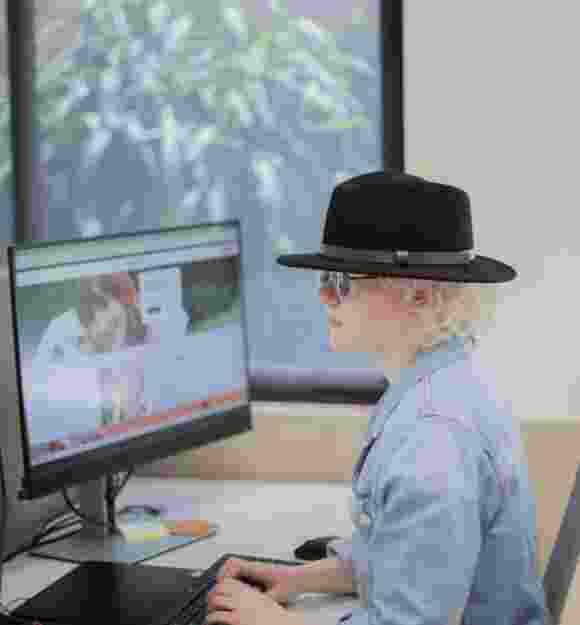
Meet Seth, Coder with low vision.
The Opportunity: voices of Lived Experience
Seth is a talented coder and musician who uses creativity and technology to excel. Being blind since childhood, Seth breaks stereotypes by demonstrating how skills and passion lead to success. Seth’s story challenges assumptions and celebrates the diverse talents and the value of inclusion in the workplaces. “Being included means not just having a job but being empowered to excel.”
“Think I can’t fix a glitch in 30 seconds? Just watch me.”

Ready to continue?
Seems like you have filled this form earlier. Let’s pick up where you left off.