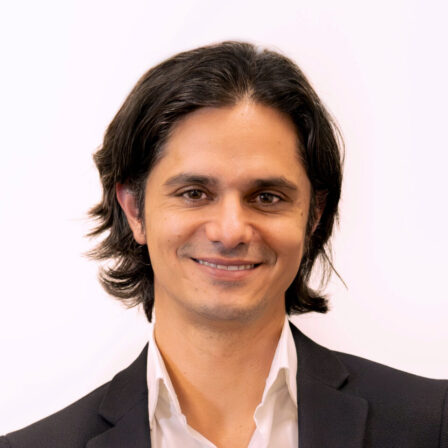
Guide Dogs Client, Christine Antonopoulos was let go from her job after disclosing she was losing her vision. Then came the strange, even sometimes inappropriate, interview questions she’d never been asked before. Even people she’d known for years started treating her differently.
This experience led her to research bias in employment. What she found was confronting: most bias is unconscious or “implicit”.
What is implicit bias?
Implicit bias refers to the unconscious attitudes or stereotypes that affect our understanding, actions and decisions without us realising it. These biases are shaped by our experiences and culture, and can influence how we perceive and treat others, even when we believe we are being fair.
Employers may say they support inclusion, but hidden fears and assumptions often stop them from hiring people with disability. In fact, four out of five Australians still stereotype people with disability as incompetent or unfriendly.
This kind of bias means people are judged, not based on their skills, but on outdated ideas. It’s not only wrong, but also a missed opportunity for everyone involved.
However, we know change is possible. Christine’s research shows that having diverse hiring panels and disability awareness training can shift bias and lead to fairer decisions.
Blind Citizens Australia (BCA) and Guide Dogs NSW/ACT are working towards removing recruitment barriers and improving employment outcomes for people who are blind or have low vision. We invite you to connect with BCA’s Eye to the Future employment project, and our Inclusive Employment campaign.
As part of this initiative, BCA has launched a new Employer e-Guide to help businesses take real steps towards inclusive hiring.
We recognise the leadership BCA has shown in this space and are proud to work alongside like-minded organisations to uphold the rights of people with low vision or blindness.
Together, we’re building a more inclusive world, one workplace at a time.
What can you do to help?
- Share the toolkit with your employer or networks.
- Become an Inclusion Ally and be part of our Inclusive Employment campaign.
- Check out Christine’s research.